Introduction
“While neighbors scrub moss off cedar or sand rust from iron, my vinyl fence looks new after 12 Seattle winters.”
— Ballard Homeowner
Seattle’s relentless rain, surprise summer heat waves, and salty coastal air can wear down even the toughest fences. If you’ve replaced warped cedar, battled rusted iron, or patched rotting wood panels, you know how quickly upkeep can become a full-time job. But what if your fence could stand strong for decades, with almost no maintenance at all?
That’s where vinyl fencing steps in. Known for its exceptional lifespan, many homeowners ask, “How long do vinyl fences really last?” The answer might surprise you—it’s often measured in decades, not years. In this post, we’ll explore whether vinyl fencing gets brittle or cracks over time, compare vinyl fencing advantages vs. disadvantages, and show why it’s becoming Seattle’s top fence choice.
At Inline Fence, we’ve seen firsthand how the right vinyl installation can outlast a homeowner’s time in their property—keeping its beauty, privacy, and value intact season after season.
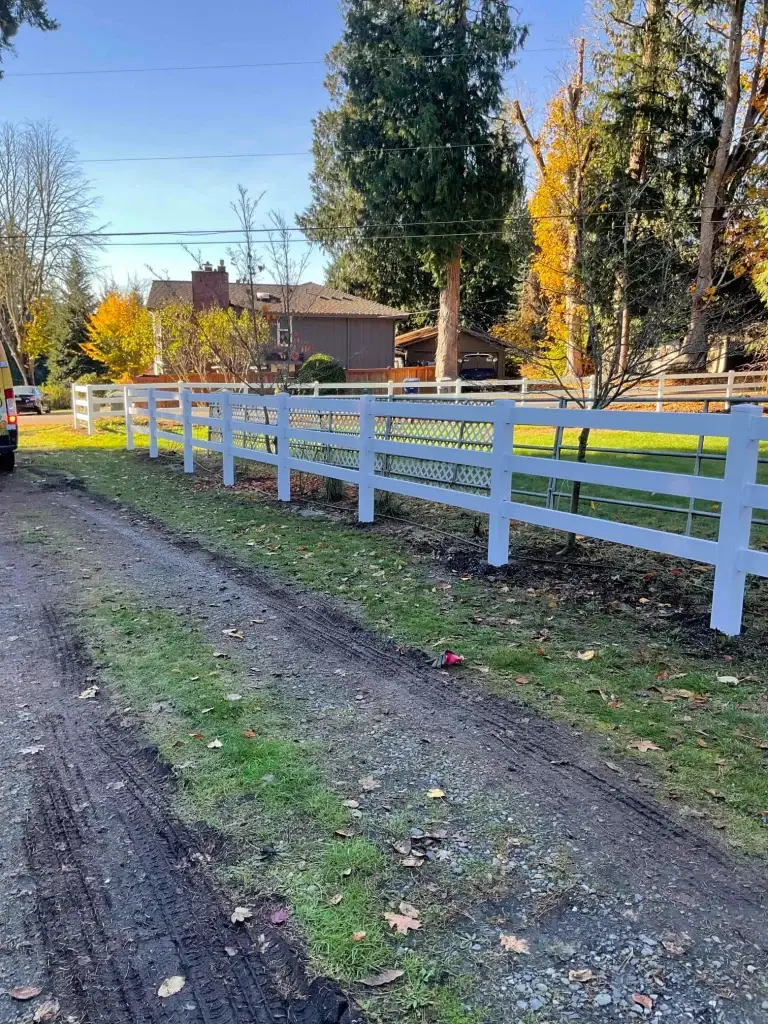
Break Free from the Replace–Repair–Repeat Cycle
Let’s be honest—most fences in Seattle don’t age gracefully.
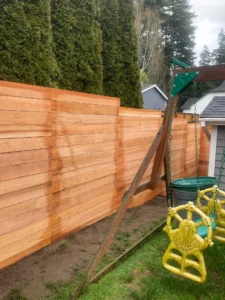
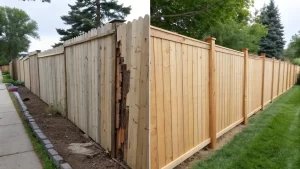
You start out proud of that gorgeous cedar fence you had installed years ago. Now? It’s warped, mossy, and rotting where the posts meet the ground.
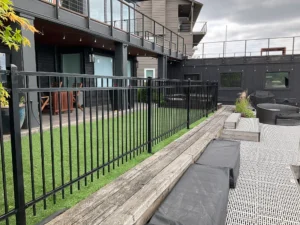
That ornamental iron you thought would be “forever”? The winter rains have left rust streaks running down your sidewalk.
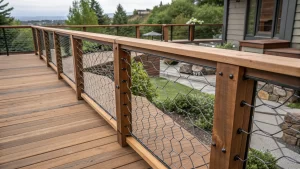
And the old chain link? It’s sagging under the weight of ivy, turning what was once a tidy boundary into something that looks like it’s slowly being overtaken by the yard.
The problem with traditional fencing is simple: the upkeep never stops. Staining wood. Sanding rust. Power-washing mold. One season blends into the next, and suddenly your weekends are hijacked by maintenance chores you didn’t sign up for.
But what if you could step off that cycle for good?
✅ Vinyl fencing is built to break the cycle—completely. It doesn’t absorb water, it shrugs off UV rays, and it won’t crack when Seattle’s freeze–thaw cycles kick in. Of course, if you’re skeptical, you’re not alone. Homeowners often ask the same three questions before making the leap. Let’s go through them one by one.
Over the Years, Homeowners Ask: Your Top Vinyl Fence Questions Answered
1. How Long Do Vinyl Fences Really Last?
One of the biggest questions Seattle homeowners ask us is simple: How long will my vinyl fence last? The short answer—far longer than most people expect. With the right materials and professional installation, a quality vinyl fence can easily last 30–40 years, even in the Pacific Northwest’s mix of rain, salt air, and summer sun.
The secret is in both the product and the installation. Our vinyl is infused with UV stabilizers so it won’t yellow or become brittle over time, and the panels are reinforced to stand up against wind and shifting soil. Combine that with stainless steel fasteners and properly set posts, and you have a fence that’s built to outlast your mortgage.
We’ve even had customers tell us their fence still looked new after a decade of neglect—no washing, no repairs, just doing its job day after day. That’s the beauty of vinyl: once it’s in place, you can stop thinking about it.
Here’s why vinyl consistently outperforms wood and metal in our soggy corner of the country:
- No Rot – Wood soaks up moisture. Vinyl doesn’t. Rainwater slides right off.
- No Rust – Salt air and damp weather can eat metal alive. Vinyl stays clean.
- UV Resistance – Quality vinyl contains titanium dioxide, which acts like sunscreen for your fence.
- Windproof Design – Interlocking panels hold tight, even when Puget Sound’s gusts try to rattle them.
2. Does Vinyl Fencing Get Brittle and Crack Over Time?
It’s a common worry: “Plastic gets brittle in winter, right?”
Not when it’s professional-grade vinyl.
Seattle’s climate throws a little bit of everything at your fence—rain, sleet, freezing nights, sudden thaws. Our vinyl is engineered to flex and endure through it all:
- Flexible Build – UV-stabilized material bends instead of breaking during temperature swings.
- Impact Resistance – Special additives absorb the shock of falling branches or an occasional bump.
- Deep-Post Installation – We set posts 36+ inches deep in concrete to prevent frost heave.
“Our vinyl has passed stress tests at extreme temperatures. Seattle winters? They don’t even register as confirmed by rigorous material testing.”
3. Vinyl Fencing: Advantages vs. Disadvantages
Advantage | Why It Matters in Seattle |
✅ Zero Maintenance | Skip the staining, painting, or sealing. Hose off moss in minutes and call it a day. |
✅ Waterproof & Moldproof | Our rain is relentless—vinyl doesn’t swell, rot, or host mildew. |
✅ Color-Through Design | Pigment runs through the panel, so scratches aren’t visible. |
✅ Eco-Friendly | Recyclable materials, no tree cutting, and no chemical runoff into your soil. |
✅ Customizable | From classic picket to sleek horizontal styles, plus lattice, caps, gates, and other add-ons. |
Disadvantages? A few—but they’re easily addressed:
- Higher Upfront Cost – Yes, vinyl is a bigger initial investment than basic wood. But when you factor in zero upkeep costs, it pays for itself. Financing can make it even easier.
- Not “Natural” Wood Grain – High-end vinyl textures closely mimic cedar without the flaws, so most visitors won’t know the difference unless you tell them.
- Requires Professional Installation – A sloppy DIY job can lead to sagging or cracking. That’s why we recommend—and provide—expert installation.
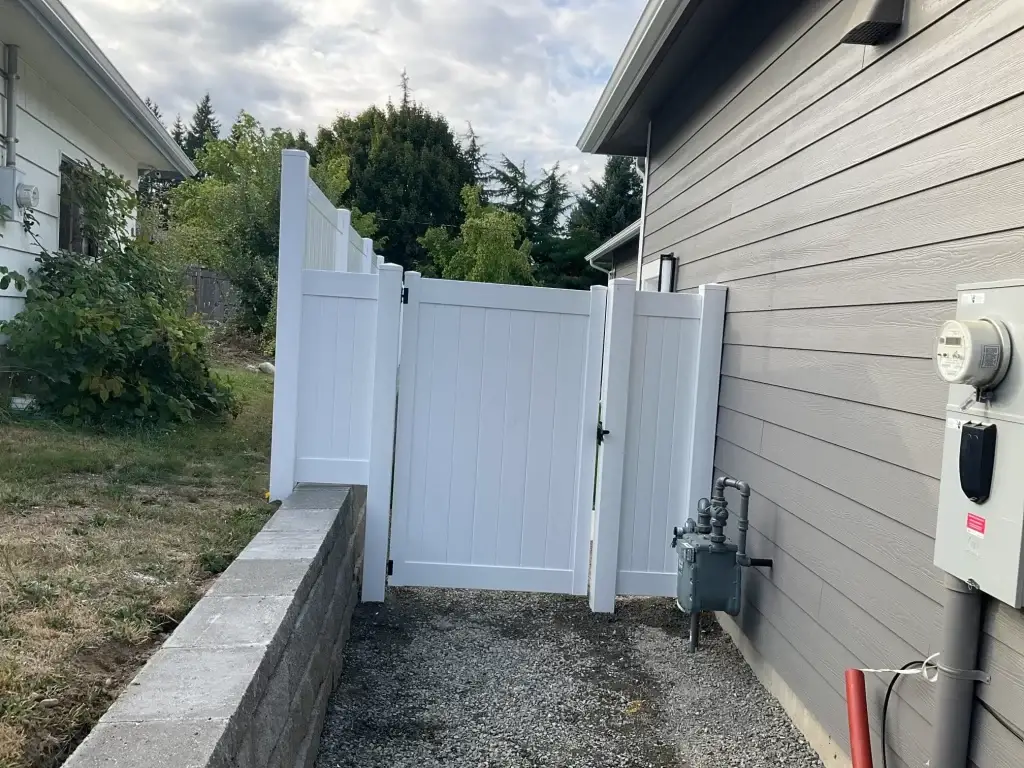
The Inline Fence Difference: Seattle’s Vinyl Authority
When it comes to vinyl fencing in the Pacific Northwest, experience matters. We’ve spent years perfecting installations that stand up to Seattle’s rain, wind, and coastal air—and our results speak for themselves.
- 🏆 Local Craftsmanship – Over 100 five-star reviews from homeowners across Seattle, Everett, and beyond.
- 📏 Precision Installation – Laser-leveled posts and commercial-grade concrete ensure your fence is perfectly straight and built to last.
- 🔧 Full-Service Partner – From permits to custom automation and lifetime support, we handle every detail.
- 🌲 Full Range of Expertise – While vinyl is our specialty, we also install cedar, horizontal wood, steel, iron, and chain link fencing.
Avoid the “big-box” disappointment. Many homeowners learn the hard way that thin panels and amateur installers lead to warping, sagging, and voided warranties. Our vinyl meets rigorous residential standards—thicker, reinforced, and absolutely uncompromising.
Take the first step toward a fence that will outlast the weather—and your worries.
🌐 Learn More: https://inline-fence.com/vinyl-fence/
Why Vinyl Fencing is Seattle’s Ultimate Upgrade
Reclaim Your Time & Freedom
Picture this: while your neighbors scrub algae off wood panels or oil cedar boards for the third year in a row, your vinyl fence still looks like the day it was installed. No seasonal upkeep, no paint touch-ups, and no post-storm repairs—just a quick rinse with the hose, then back to enjoying your weekend.
Timeless Beauty That Adds Value
Vinyl fencing doesn’t just hold up—it enhances your home’s style in a way that lasts. Choose crisp white for classic Cape Cod charm, deep espresso for modern minimalism, or textured wood-grain that pairs perfectly with a Craftsman-style home. The best part? That beauty stays intact for decades.
“Vinyl gave our home a noticeable value boost—buyers loved the ‘maintenance-free’ perk!”
– Inline Fence Client, West Seattle
Customizing Your Vinyl Fence: Style Meets Function in Seattle
One of the reasons vinyl fencing is such a popular choice for Seattle homeowners isn’t just durability—it’s versatility. Vinyl fences come in a wide range of styles, colors, and textures that let you tailor your fence to perfectly complement your home’s architecture and your personal taste.
Style Options That Match Every Home
Whether you love the timeless charm of a classic picket fence or prefer the sleek, clean lines of a modern horizontal design, vinyl has you covered. You can choose from:
- Picket fences: Ideal for traditional and cottage-style homes, providing a warm and welcoming look.
- Privacy panels: Solid panels offer maximum privacy and noise reduction—perfect for urban lots and busy streets.
- Horizontal slats: Trendy and contemporary, these add architectural interest and enhance curb appeal.
- Lattice tops: For a decorative touch that also supports climbing plants and vines.
Colors That Go Beyond White
While crisp white is a perennial favorite, vinyl fencing today offers much more:
- Earth tones like tan, beige, and brown to blend with natural landscapes.
- Deep hues such as espresso and slate gray to add modern sophistication.
- Wood-grain textures that mimic cedar or redwood, delivering natural warmth without the upkeep.
Functional Customizations
Beyond aesthetics, vinyl fences can be customized to fit your specific needs:
- Gates with secure locking mechanisms or even smart automation for easy access.
- Post caps and decorative accents that add a refined finishing touch.
- Fence heights and panel spacing adjusted to comply with Seattle’s local regulations and your privacy preferences.
Why Customize?
Custom vinyl fencing means your investment isn’t just durable—it’s a genuine extension of your home’s style and lifestyle. Well-planned design choices increase your property’s curb appeal and resale value, all while providing the practical benefits you expect from vinyl’s low maintenance and longevity.
Built for the Pacific Northwest
Not all vinyl is created equal, and generic big-box versions won’t survive our weather. At Inline Fence, we use Seattle-specific materials engineered to handle the region’s challenges. Our coastal-grade vinyl includes extra UV inhibitors to prevent sun damage, wind-rated panels to withstand Puget Sound gusts, and mold-resistant surfaces for damp, shaded yards.
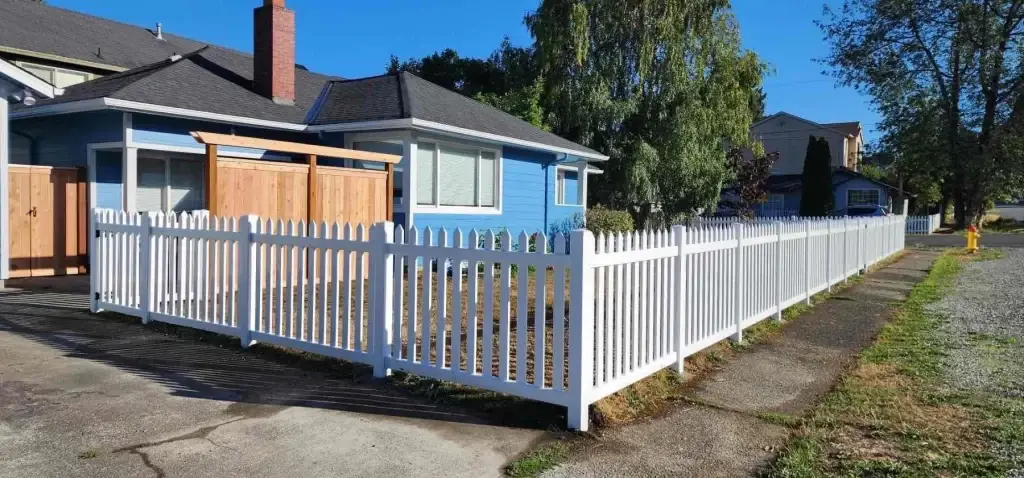
Easy on the Budget. Easier on Your Weekends.
At first glance, vinyl fencing can seem like a bigger upfront investment than wood or chain link. But the real math happens over time. Unlike wood, there’s no need for seasonal staining, sealing, or repainting. Unlike iron, there’s no rust to sand or repaint. And unlike cheaper fence materials, there’s no cycle of repairs and replacements every few years.
When you add up what you don’t spend—on materials, labor, and weekends lost to maintenance—vinyl quietly becomes one of the most cost-effective choices you can make for your property. Its long lifespan means you’re not budgeting for another fence in 10 or even 20 years, and its like-new appearance helps preserve your home’s value year after year.
For many Seattle homeowners, that’s the real payoff: a fence that looks fresh, performs flawlessly, and frees your time for things you’d rather be doing.
Care & Cleaning in Seattle’s Climate
One of vinyl’s biggest selling points is how little you have to do to keep it looking great—even in our famously damp and unpredictable weather. While wood fences need regular sealing to keep rain out, and metal fences demand rust prevention, vinyl simply shrugs off the elements.
Most Seattle homeowners can get by with a light rinse once or twice a year. A quick spray from the garden hose will remove dust, pollen, and the occasional bird drop. For spots where moss or mildew might try to take hold—usually in shaded corners—mix a small amount of dish soap with warm water, wipe the area with a soft sponge, then rinse. No power washing, no harsh chemicals, and no expensive maintenance services.
Because vinyl is non-porous, it doesn’t absorb moisture, meaning our endless rainy months won’t cause swelling, cracking, or warping. Even the salt in the coastal air is no match for its durable surface. When your neighbors are out with paint brushes or sanding blocks, you’ll be free to enjoy your yard.
Ready for a Fence That Lasts a Lifetime?
Vinyl fencing isn’t just a boundary—it’s peace of mind, freeing you from constant upkeep while elevating your home’s beauty and value. Inline Fence is here to make that dream a reality for Seattle homeowners.
🌐 Book your free quote right now!