Seattle homeowners know the struggle: your dream of a sleek, modern horizontal fence often collides with the reality of hilly Northwest yards. The question becomes, how to build a horizontal fence on a slope without it looking crooked—or worse, warping before it’s even had a chance to age gracefully.
Unlike flat lots, Seattle’s rolling neighborhoods—from Queen Anne to West Seattle—pose unique challenges. Slopes can leave gaps beneath boards, make posts look uneven, and put stress on materials. Add in our city’s famous rain and damp climate, and the problem compounds: moisture and movement can cause boards to twist or bow, turning what should be a statement piece into a maintenance headache.
That’s why homeowners searching how to install a horizontal fence on a slope often find conflicting advice online. The truth? There’s no one-size-fits-all method. The difference between a fence that sags and one that stays strong for decades comes down to planning, materials, and professional craftsmanship.
At Inline Fence, we’re constantly improving slope installations, so your fence doesn’t just stand—it shines. Our proven approach ensures each line flows seamlessly with your landscape while staying resistant to warping, rain, and time itself.
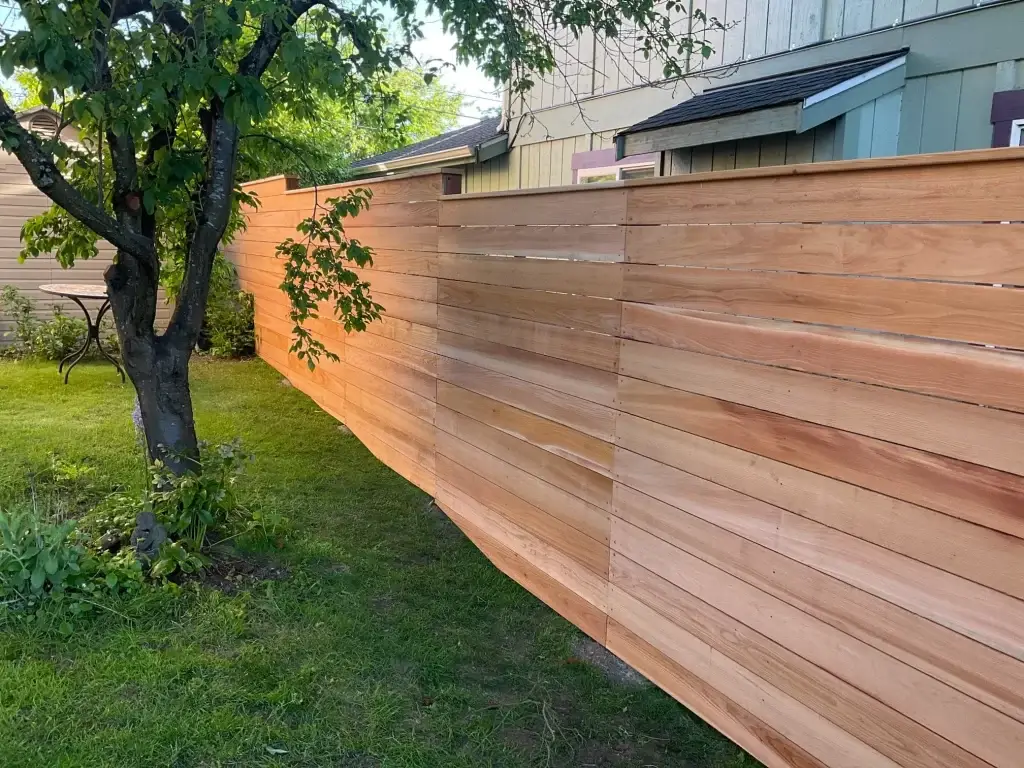
Why Homeowners Love Horizontal Fences
There’s a reason more and more horizontal fences are appearing in Seattle’s neighborhoods. They’re not just a boundary line — they’re part of the home’s personality. From Capitol Hill’s modern townhouses to Ballard’s classic craftsman bungalows, a well-built horizontal fence instantly signals design intention and curb appeal.
➡️ Modern Look That Expands Your Space
Unlike vertical boards, which can make a yard feel boxed in, horizontal lines guide the eye from side to side. That simple shift makes smaller spaces appear wider and more open — a major advantage in Seattle’s dense urban lots where every square foot counts.
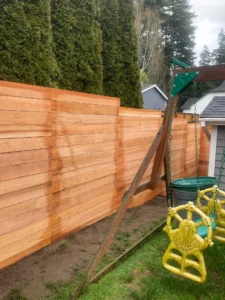
Homeowners searching how to build a horizontal fence on a slope often do so because they want that contemporary look but worry their sloped property will make it impossible. The truth? When installed with precision, a horizontal fence can actually accentuate the natural rise and fall of your landscape, blending with it rather than fighting against it.
🌲 A Natural Partner for Cedar
Horizontal fences also pair beautifully with cedar, Seattle’s most popular fencing material. Cedar’s warm tones and natural grain look striking when arranged in long, horizontal runs. Beyond looks, cedar resists rot, pests, and moisture — key for our rainy climate. With professional installation, it can last for decades while developing a graceful, weathered patina that homeowners love.
🔒 Privacy, Personality, and Property Value
Horizontal fences aren’t only about aesthetics. They deliver privacy without feeling heavy or intrusive. The clean lines and customizable spacing allow you to control how much visibility you block, whether you want a cozy backyard retreat or just a subtle separation from the street.
And let’s not forget value. A thoughtfully designed fence often boosts curb appeal and resale interest. Seattle buyers appreciate outdoor living spaces that feel intentional, and a horizontal fence communicates just that: modern design, quality materials, and lasting durability.
🌟 Why the Extra Effort Is Worth It
Of course, achieving that flawless look isn’t automatic. Homeowners who look up how to install a horizontal fence on a slope quickly realize there are complexities vertical fences rarely face — uneven gaps, board alignment, drainage considerations. Yet when these challenges are handled by skilled professionals, the results are stunning: a fence that feels like a natural extension of your home and yard.
Horizontal fences deliver more than beauty — they provide privacy, value, and a design edge that makes your property stand out. The extra care required to install them, especially on sloped ground, is precisely what makes them so rewarding when done right.
The Slope Challenge: Common Questions Seattle Homeowners Ask
If you live in Seattle, chances are your yard isn’t perfectly flat. From Magnolia’s rolling hills to Rainier Valley’s uneven grades, sloped landscapes are part of the Northwest’s charm. But for homeowners dreaming of a sleek horizontal fence, that charm comes with complications.
One of the most common questions we hear is, “How to build a horizontal fence on a slope?” The concern is understandable. Unlike vertical fences, which can “step down” along the incline, horizontal boards demand straight, continuous lines. Even a slight tilt is noticeable, and gaps beneath the fence can quickly spoil the look.
Another variation we hear just as often is, “How to install a horizontal fence on a slope without it looking crooked?” That’s the heart of the challenge. If posts aren’t placed with absolute precision, or if boards aren’t adjusted with the slope in mind, the final result can look misaligned, creating the impression that your entire yard is uneven.
⚠️ The Pitfalls of DIY on Slopes
It’s tempting to look up videos or guides that promise an easy fix. But sloped terrain magnifies every mistake. We’ve seen DIY attempts where boards follow the hill too closely, leaving a jagged, uneven line that distracts from the home. Others try the “step method,” only to discover unsightly gaps that pets, debris, or curious critters can slip through.
Beyond appearance, slopes also affect structural integrity. Improper grading or skipped reinforcements can lead to shifting posts, sagging sections, and costly repairs within a few seasons. And in Seattle’s wet climate, poor drainage around fence posts can turn into a structural problem faster than homeowners expect.
🛠️ Why Professional Installation Matters
The difference between frustration and flawless comes down to experience. At Inline Fence, we’ve developed slope installation methods tailored specifically for Seattle terrain. Instead of forcing a one-size-fits-all solution, we evaluate the grade of your property, the soil type, and the style you want to achieve.
The result is a fence that looks intentional, not improvised. Boards remain level to the eye, the base follows your landscape naturally, and the entire structure is reinforced to stay strong through years of rain, wind, and soil movement.
So while how to build a horizontal fence on a slope is a common search, the real solution isn’t found in a quick online guide — it’s found in the hands of professionals who know how to transform a challenging yard into a stunning showcase.
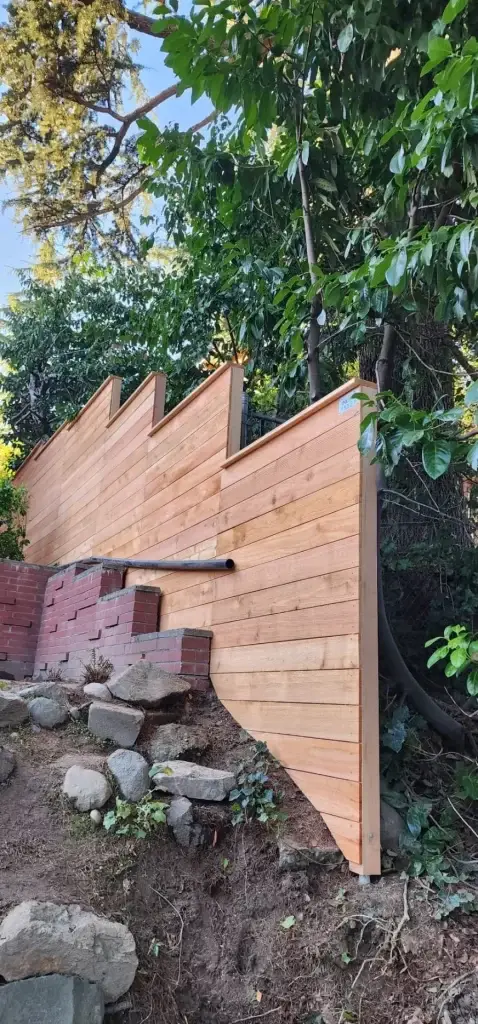
The Warping Problem: Why It Happens & How Pros Prevent It
Even the most beautifully designed fence can lose its charm if the boards begin to warp. In fact, one of the first concerns homeowners bring to us — right after asking how to handle slopes — is, “How do you keep horizontal fence boards from warping?”
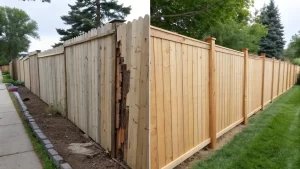
It’s a smart question. Seattle’s weather is notoriously hard on wood. The constant cycle of rain, moisture, and those occasional bursts of hot summer sun causes boards to expand and contract. Over time, this movement can twist boards, create gaps, or make the fence look uneven. And while all wood fences face this risk, the problem is more noticeable with horizontal designs. Straight, level lines are part of their appeal — which means even minor warping stands out.
Why Warping Happens
Warping isn’t just about moisture. Several factors play into it:
- Improper installation – Boards installed too tightly or without the right spacing don’t have room to expand and contract.
- Wrong material choice – Softer or lower-quality woods absorb water more easily and warp faster.
- Weak framing – If the underlying support isn’t strong, boards can shift under pressure.
- Exposure to sun and rain – In Seattle, south-facing fences often dry unevenly, making one side expand differently than the other.
The Inline Fence Solution
Preventing warping isn’t about a single trick — it’s about craftsmanship and foresight. Here’s how we keep our horizontal fences in line:
- Cedar first – We recommend cedar for Seattle because it’s naturally resistant to rot and less prone to dramatic warping than other woods.
- Strategic spacing – Our installers allow just enough breathing room between boards so the wood can expand naturally without pushing against its neighbors.
- Proper sealing and finishing – Applying the right finishes helps lock out moisture while preserving cedar’s natural beauty.
- Reinforced framing – We design support structures that hold boards firmly in place, preventing sagging or twisting even after years of exposure.
Long-Term Peace of Mind
So while you may find countless tips online about how to keep horizontal fence boards from warping, the truth is that prevention starts on day one of installation. Once warping sets in, fixing it can be costly — sometimes requiring full board replacement. That’s why homeowners across Seattle rely on Inline Fence: we don’t just build fences that look beautiful on installation day; we build them to keep that beauty season after season.
Materials Matter: Choosing the Right Fence for Seattle Homes
When it comes to fences, design is only half the story. The material you choose determines whether your fence lasts a few short years or becomes a long-term feature of your property. In Seattle’s damp, ever-changing climate, material choice matters just as much as installation.
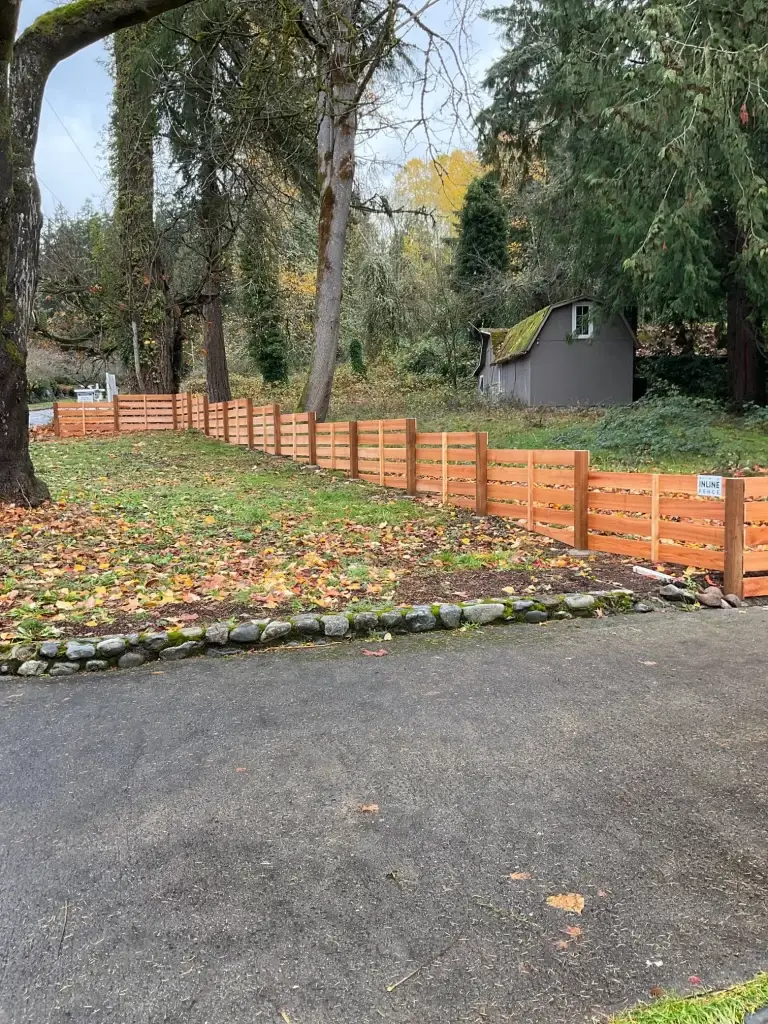
Cedar: The Northwest Favorite
For horizontal fences, cedar is hands-down the top choice. Its natural beauty — those warm, reddish-brown tones and subtle grain patterns — looks stunning when stretched across long, horizontal lines. But cedar’s appeal goes far beyond looks. It’s naturally resistant to rot, decay, and insects, making it a perfect match for Seattle’s rainy seasons. And unlike softer woods, cedar stands up well against moisture, reducing the risk of warping when paired with professional installation.
When homeowners ask us how to build a horizontal fence on a slope that lasts, our first recommendation is almost always cedar. Not only does it adapt beautifully to slope installations, but it also ages gracefully, turning into a silvery patina over time if left unstained — a look many Seattle homeowners love.
Alternatives for Different Styles
Cedar might be the go-to, but it isn’t the only option Inline Fence offers:
- Vinyl Fences – Low-maintenance and versatile. While not as customizable as wood, vinyl can mimic certain looks and offers long-term stability without the need for staining.
- Steel Metal Panel Fences – Ideal for homeowners who want a sleek, industrial aesthetic with maximum durability. Steel panels hold straight lines perfectly, even on slopes.
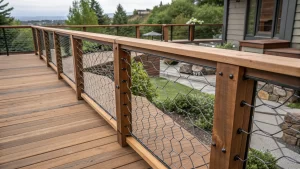
- Hog Wire Fences – Great for backyards that need a balance of openness and boundary. Paired with cedar framing, hog wire fences feel modern yet unobtrusive.
- Chain Link Fences – Affordable and functional. They’re less about design and more about utility, but they solve practical needs without heavy upkeep.
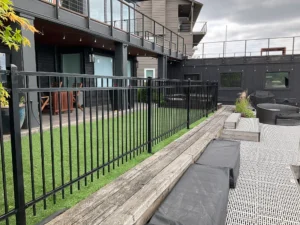
- Ornamental Iron Fences – Classic and elegant, perfect for homeowners who want to make a timeless statement while still keeping strength front and center.
Matching Materials to Your Yard
Choosing a material isn’t just about preference — it’s about matching the fence to your property’s unique needs. For sloped yards, cedar’s flexibility and strength make it hard to beat. But for families prioritizing low maintenance or a specific style, alternatives like steel or vinyl may make more sense.
At Inline Fence, we guide homeowners through these choices every day. Our goal isn’t just to build a fence — it’s to build your fence, one that fits your slope, your home, and your lifestyle.
✨ Customization & Add-Ons That Elevate a Horizontal Fence
Horizontal fences aren’t just boundaries — they’re opportunities to combine style and function, especially on Seattle’s sloped yards. Smart customization can solve slope challenges, enhance usability, and reflect your personal taste.
Feature / Add-On | Purpose / Benefit | Why It Matters for Slopes or Style |
Trim Boards / Base Panels | Close gaps at the base | Creates a polished look, prevents pets or debris from slipping through on sloped yards |
Stepped Gates | Access points on inclines | Matches the slope naturally, avoids awkward or improvised entries |
Retaining Integrations | Small retaining walls paired with fencing | Maintains smooth line across property, stabilizes soil and landscaping |
Decorative Caps & Trim | Adds post detail and sophistication | Enhances visual appeal, highlights design lines |
Accent Lighting | Pathway or patio illumination | Makes spaces inviting at night, emphasizes fence lines and yard features |
Staining / Finishing | Preserves or stylizes cedar | Protects wood from moisture, highlights natural tones or creates bold contrast |
Mixed-Material Designs | Combine cedar with metal panels or hog wire | Adds visual interest, modern flair, and design flexibility |
Why It Matters:
These add-ons don’t just make a fence look good — they solve real challenges posed by slopes and outdoor conditions, while turning your fence into a functional, stylish extension of your home. At Inline Fence, we treat every project as a chance to deliver both durability and design excellence.
The Inline Fence Advantage: Why Seattle Homeowners Choose Us
Building a fence on a sloped yard in Seattle isn’t just a construction project — it’s an art. The balance between functionality, durability, and beauty is delicate, and not every installer knows how to get it right. That’s where Inline Fence stands apart.
Craftsmanship That Goes Beyond Basics
While many homeowners start their journey by searching online for how to build a horizontal fence on a slope or how to keep horizontal fence boards from warping, the truth is that professional installation makes all the difference. At Inline Fence, we don’t just follow generic methods. We evaluate your property’s grade, choose the right materials, reinforce every line, and add the finishing touches that ensure your fence ages beautifully.
That means no uneven gaps. No sagging boards. No crooked sightlines. Just a fence that looks flawless from day one — and continues to look that way year after year.
No matter your style, slope, or budget range, we have the materials and expertise to bring your vision to life.
Ready to elevate your yard?
📞📝 Contact Inline Fence today for your free, no-obligation quote and see how our slope-ready horizontal fences can transform your home.